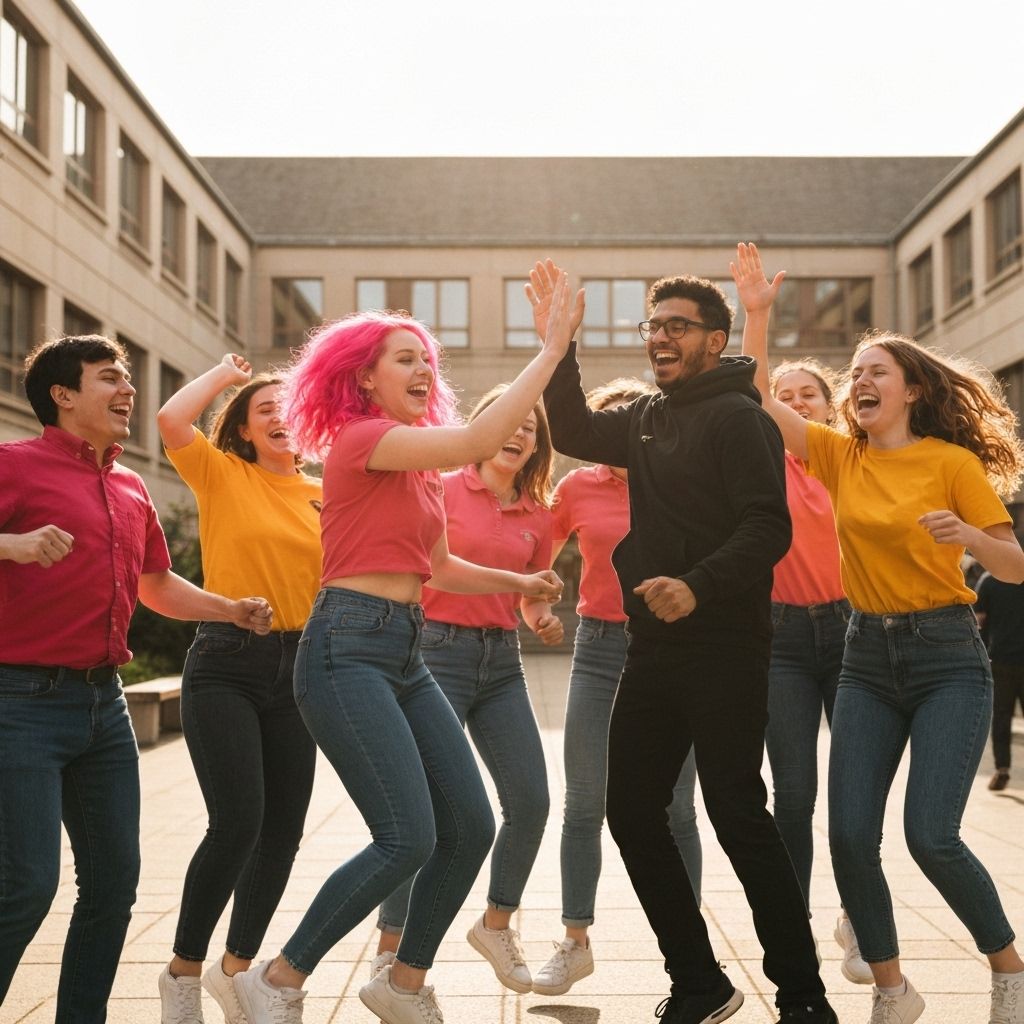
Belonging is not only the welcome at the door. It is whether people can enter, understand what is happening, find a place, and take part without having to ask for every basic accommodation.
An invitation is only the beginning
A community event can be warm, well organized, and full of good intentions—and still be difficult for someone to attend. A room may be upstairs without a working elevator. The program may rely on spoken announcements that are hard to hear. A registration form may not provide a way to ask about access needs. A crowded entrance or unclear directions can turn a simple arrival into a stressful experience.
Accessibility is not a special extra to think about after the room, food, and program are settled. It is part of planning the gathering itself. When organizers consider access early, they can choose a more suitable space, communicate clearly, and avoid putting the burden on an attendee to solve problems on the day.
A Torah lens: do not create a stumbling block
Leviticus 19:14 says not to insult a deaf person and not to place a stumbling block before a blind person. The verse names people directly and also became the basis for broader rabbinic discussion. Rashi explains that “blind” can also describe someone who is blind to a particular matter and warns against giving that person improper advice. The verse therefore has a literal setting and a wider ethical reading; it should not be presented as a complete modern accessibility code.
Hillel's teaching in Pirkei Avot 2:4 adds another community-centered idea: do not separate yourself from the community. A practical application for organizers is to ask what might keep someone from participating and to remove avoidable barriers. That application is a way of taking the sources seriously, not a claim that these passages spell out every technical accommodation required today.
Choose the space with the whole journey in mind
Do not check only whether the main room has enough chairs. Think about the journey from arrival to departure: parking or public transit, the route to the entrance, doors, elevators, restrooms, seating, food tables, and any stage or platform. If one part of the route is inaccessible, an attendee may be unable to reach the rest of the event. If a venue has a limitation, explain it before registration and consider a different location.
Leave clear pathways between chairs and tables. Offer seating choices rather than placing everyone who asks for an accommodation in one isolated area. Make sure people can reach the program, refreshments, and conversation spaces. If the event includes a meal, ask the venue about accessible serving arrangements and how guests can request dietary information or assistance.
- Name one person who can answer access questions before the event.
- Check the entrance, route, restroom, seating, and any stage or activity area.
- Include a private way to request accommodations on the invitation or registration page.
- Share accurate arrival details, including stairs, elevators, parking, and transit options.
- Budget for communication support or other accommodations that attendees request.
Make the program understandable in more than one way
Access includes communication. Use a microphone even when the room seems small, and ask speakers to describe important visual information. Provide a printed or digital schedule in advance. If the program includes video, check captions. If someone requests an interpreter, real-time captioning, large-print materials, or another communication accommodation, arrange it with enough time and confirm the details.
Think about sound and pace as well. A quiet space nearby can help someone who needs a break from noise or activity. Give clear instructions before transitions, and avoid relying on last-minute announcements that people may not hear or understand. These steps can also help older guests, parents with young children, people who are new to the building, and anyone who finds a busy event overwhelming.
Train volunteers to offer help without taking control
A volunteer can make an event feel welcoming—or unintentionally make a person feel singled out. Brief the team on the access features of the venue, the person to contact with questions, and the importance of asking before assisting. Never move a wheelchair, cane, walker, service animal, or other mobility aid without permission. Speak directly to the person rather than automatically addressing a companion. Do not ask someone to explain a diagnosis in order to receive basic information.
If a volunteer does not know the answer, the best response is simple: “Let me check with our access contact.” Avoid promising that a feature is available until it has been confirmed. Reliable information is kinder than a confident guess.
Make inclusion part of the next event too
After the gathering, invite feedback in a private and easy way. Ask what worked, what created difficulty, and what would make the next event better. Do not ask one attendee to speak for everyone. Keep a short record of improvements, assign responsibility, and include access needs in the next event's budget and planning checklist.
A community becomes more welcoming through repeated practical decisions. The goal is not to congratulate ourselves for opening the door. It is to make it easier for people to arrive, participate, contribute, and return. That is a meaningful form of chesed: building a gathering where more of the community can truly be present.